
Manifesto
The Interface Company of Earth
Every technological shift begins with a breakthrough. But technology alone rarely changes how people live. The real change happens when someone gives that technology an interface.
The graphical interface made computers personal. The touchscreen put computing into billions of hands. Today, AI is giving computers entirely new capabilities. Yet much of the software we use still follows the conventions of the last era. We don't believe adding AI to existing interfaces is enough. New capabilities deserve new ways of interacting with them.
Fastrepl exists to design those interfaces.
We call ourselves The Interface Company of Earth. Our ambition is to continually rethink how people interact with technology. We don't want to make slightly better versions of what already exists. We want to question the existing grammar, start from first principles, and create experiences that feel obvious only after they exist.
Today, that work begins with software. But we don't believe the best interface will always end at the edge of a screen. When the experience calls for it, we want to cross into hardware, new form factors, and mediums we haven't explored yet. We aren't interested in making hardware for the sake of making hardware, just as we aren't interested in software for its own sake. The medium should follow the experience. Whatever allows us to build the best possible interface between people and technology is where we want to go.
Craftsmanship
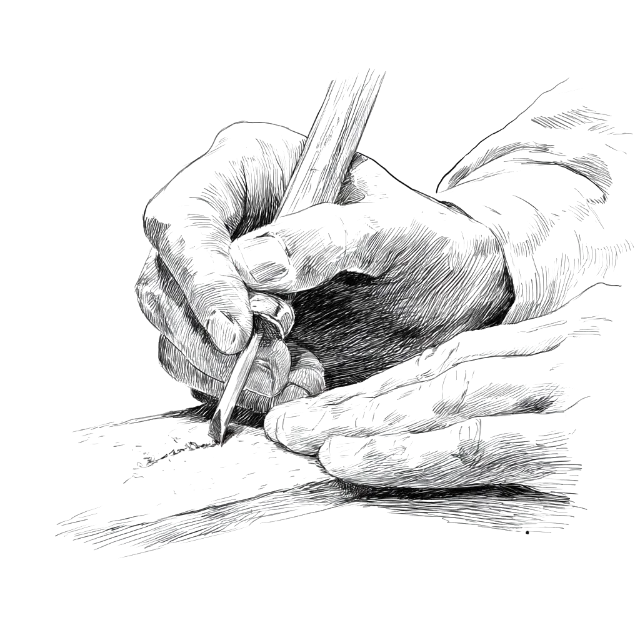
We care about how things are made. Not just whether something works, but how it feels, responds, looks, sounds, and communicates. We admire companies like Apple and Linear because they demonstrate what happens when technology and craftsmanship are treated as one discipline. The smallest details compound into the experience of the whole.
That standard extends beyond software. A product, a website, a film, a piece of writing, or eventually a physical object: whatever leaves Fastrepl should feel considered. We want to become a company recognized not for one particular aesthetic or medium, but for an unusually high standard of craft across everything we create.
Thirst for Growth
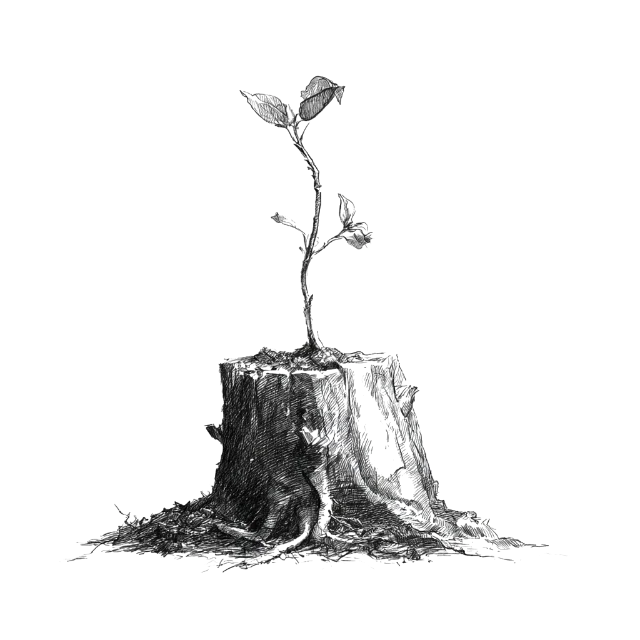
Craftsmanship doesn't mean staying inside the boundaries of a craft.
We value people with a relentless desire to become better than they are today. People willing to enter disciplines they don't understand yet, question their own assumptions, and learn whatever is necessary to make something great. An engineer can develop taste in design. A designer can learn to build. A filmmaker can become a storyteller, operator, or technologist.
We care less about where someone's abilities end today than how quickly they are willing to expand them tomorrow.
AI is a tool and a teacher
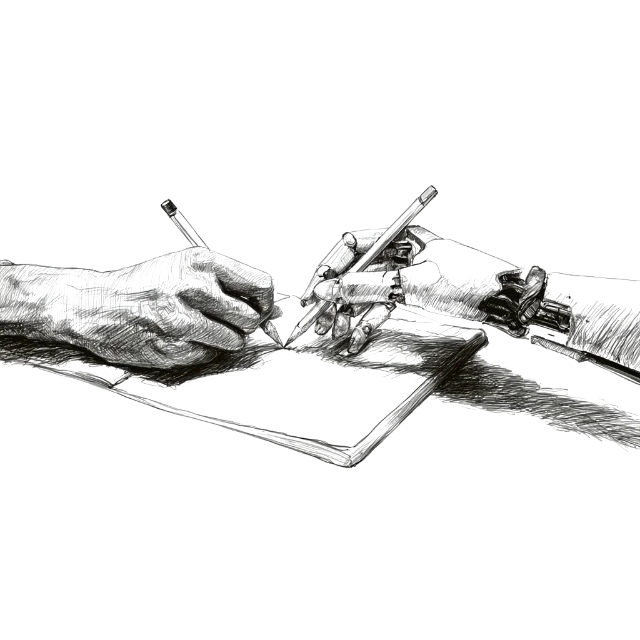
We neither reject AI in the name of craftsmanship nor embrace it blindly in the name of progress. We use it deliberately: as a tool to extend what we can do, and as a teacher to extend what we can become.
AI lets us explore unfamiliar disciplines, learn faster, challenge our thinking, and attempt things that would previously have been outside our reach. But we don't outsource our taste, judgment, or responsibility to it. Using AI should raise the ceiling of what we can create, not lower the standard of what we consider finished.
The point isn't to prove that something was made by a human. The point is to make something worth making.
Make what doesn't exist yet
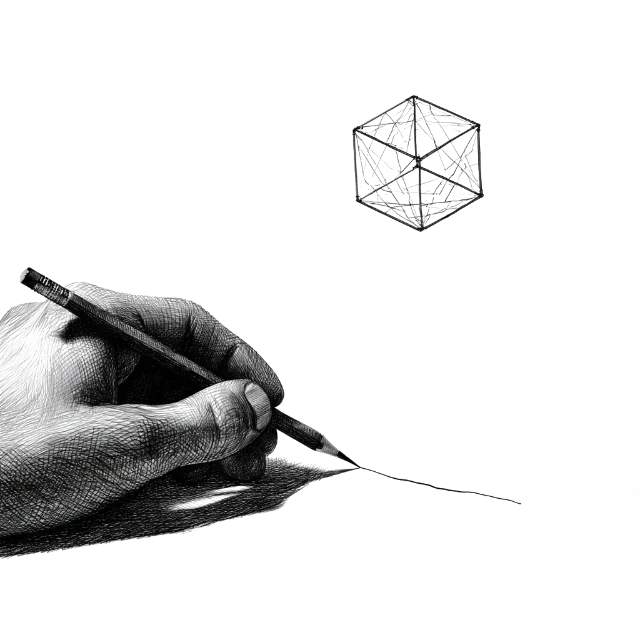
The future rarely arrives as a better version of the present.
It comes from people willing to question assumptions everyone else has accepted: what software should look like, what shape a computer should take, how humans should interact with machines, how a story should be told, or what one person should be capable of creating.
We don't know whether the interfaces we build ten years from now will look like software, hardware, or something else entirely. That's the point.
We want to follow the experience wherever it takes us.
Fastrepl is here to design how people experience what comes next.